Walking the Durham Heritage Coast
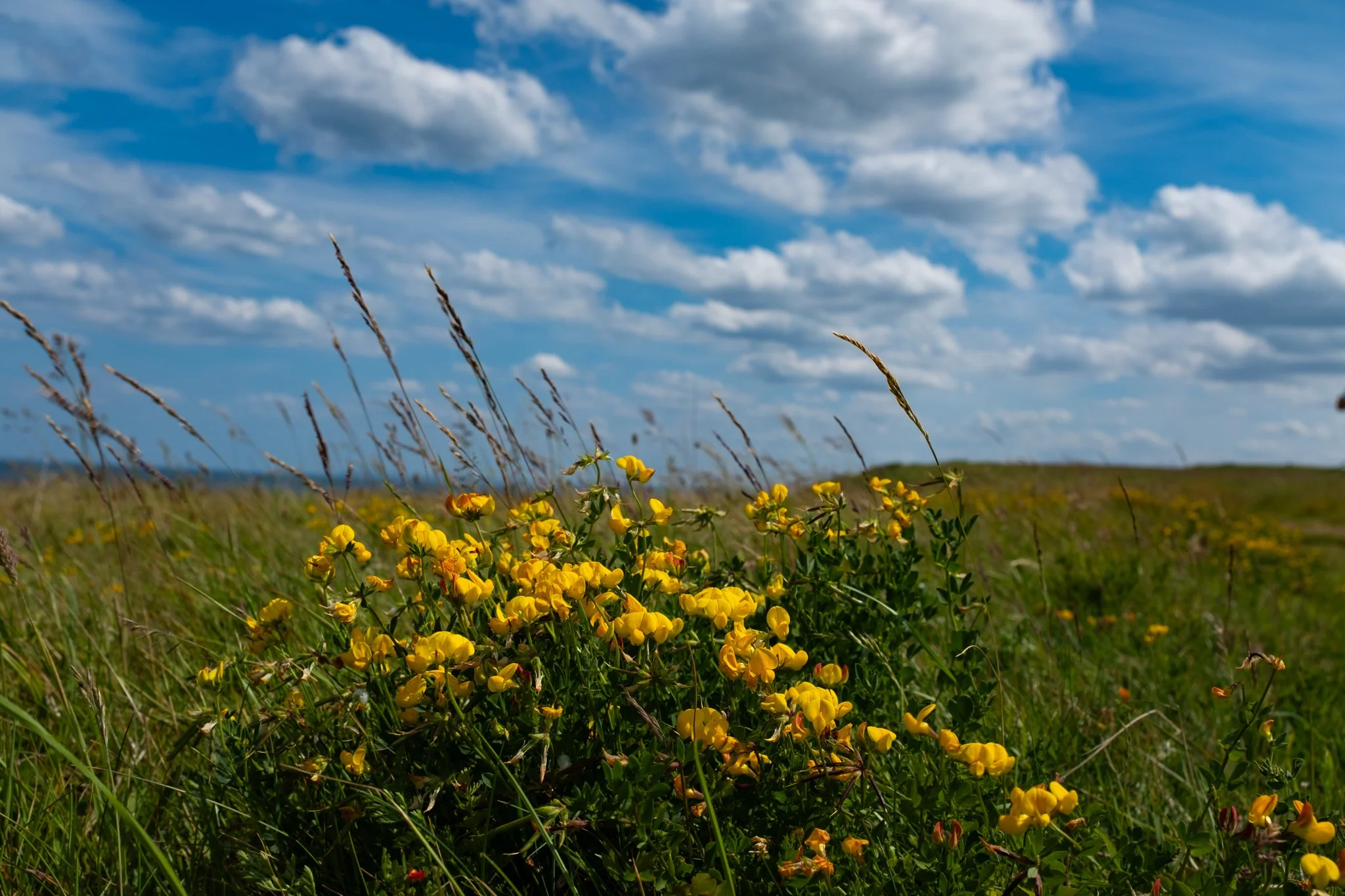
A spectacular 12-mile walk from Seaham to Crimdon Dene, taking in rugged coastline, hidden coves and swathes of wildflowers that clothe the dramatic magnesium limestone cliffs in spring and summer.
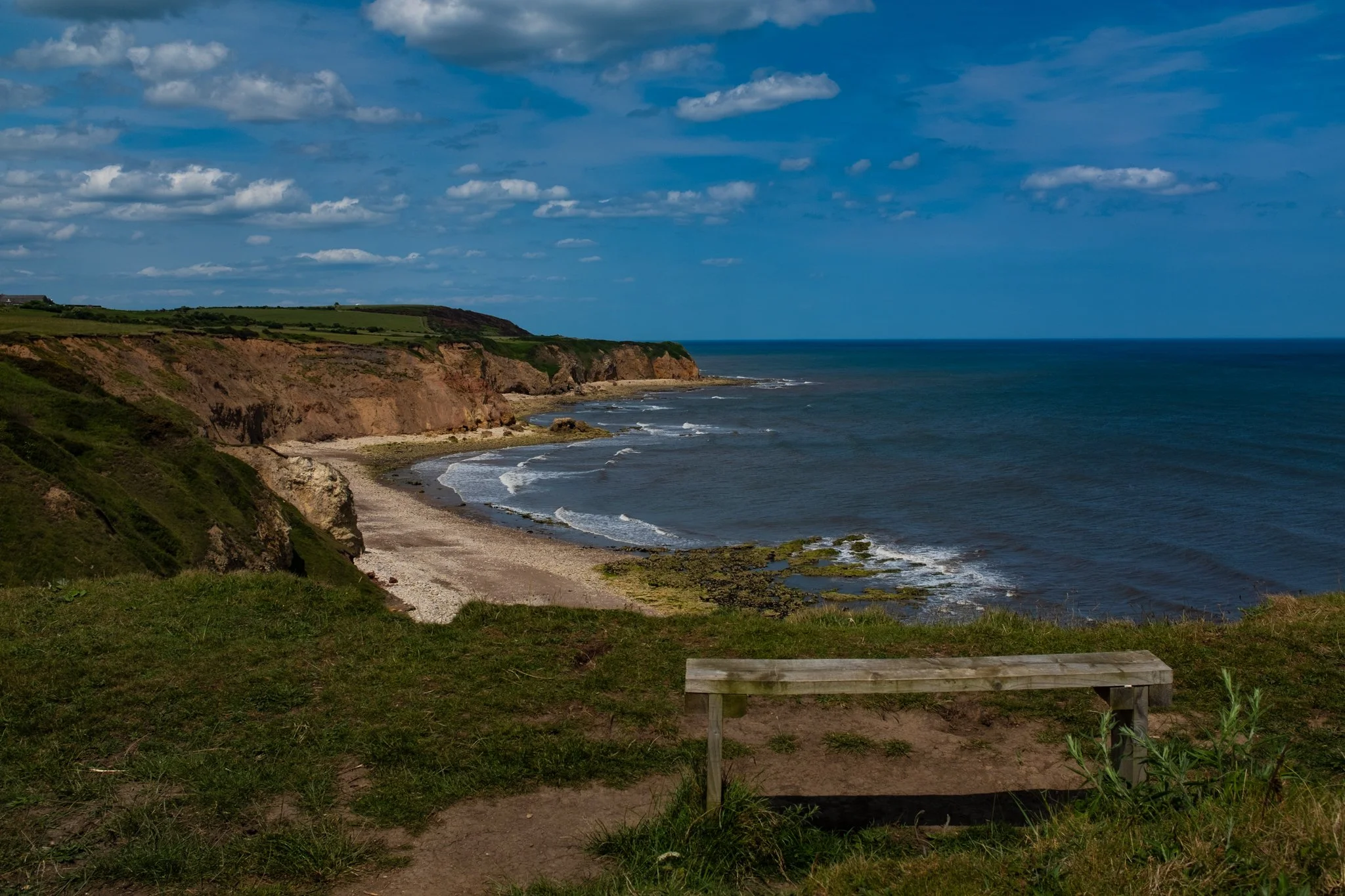
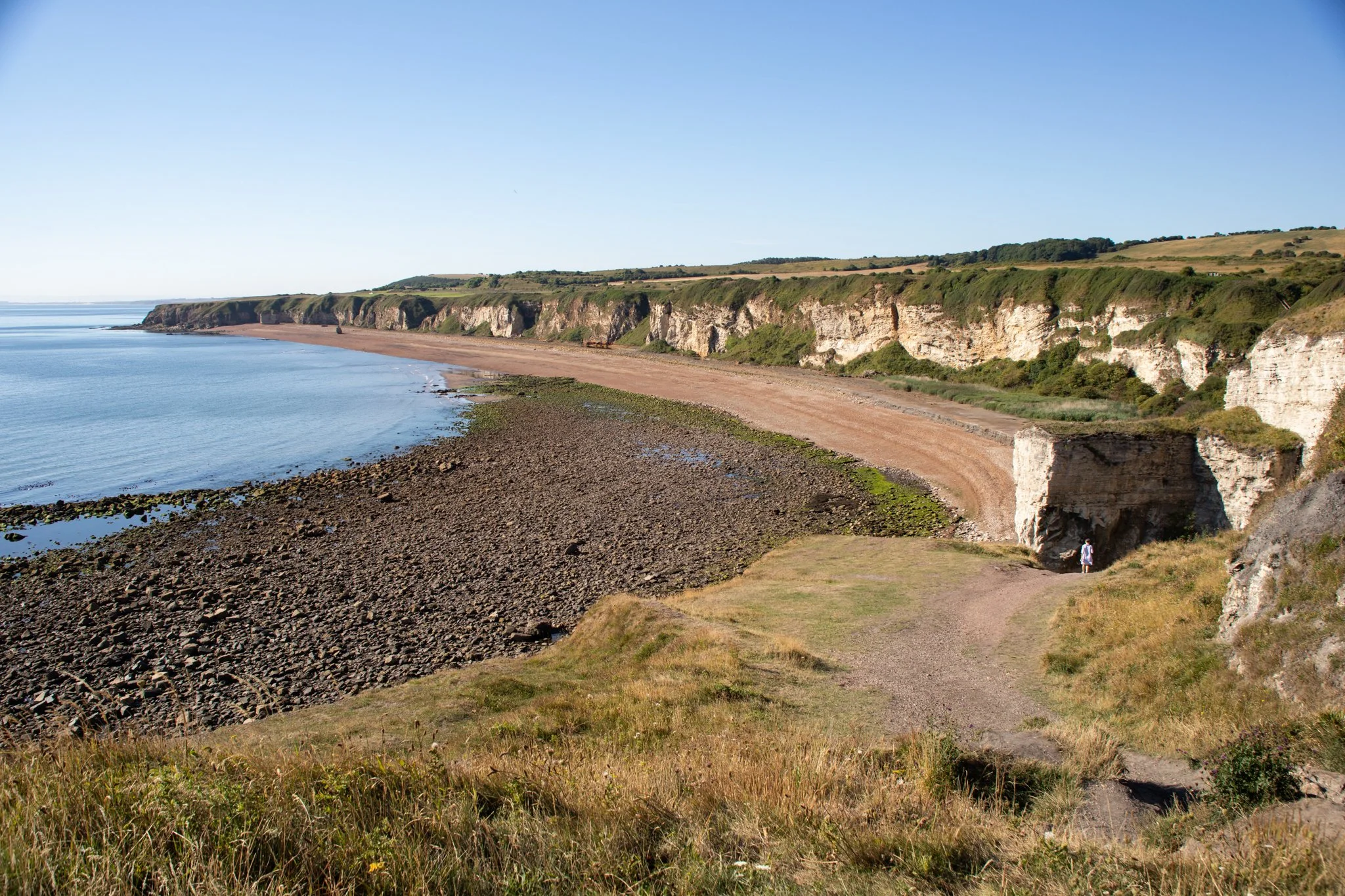
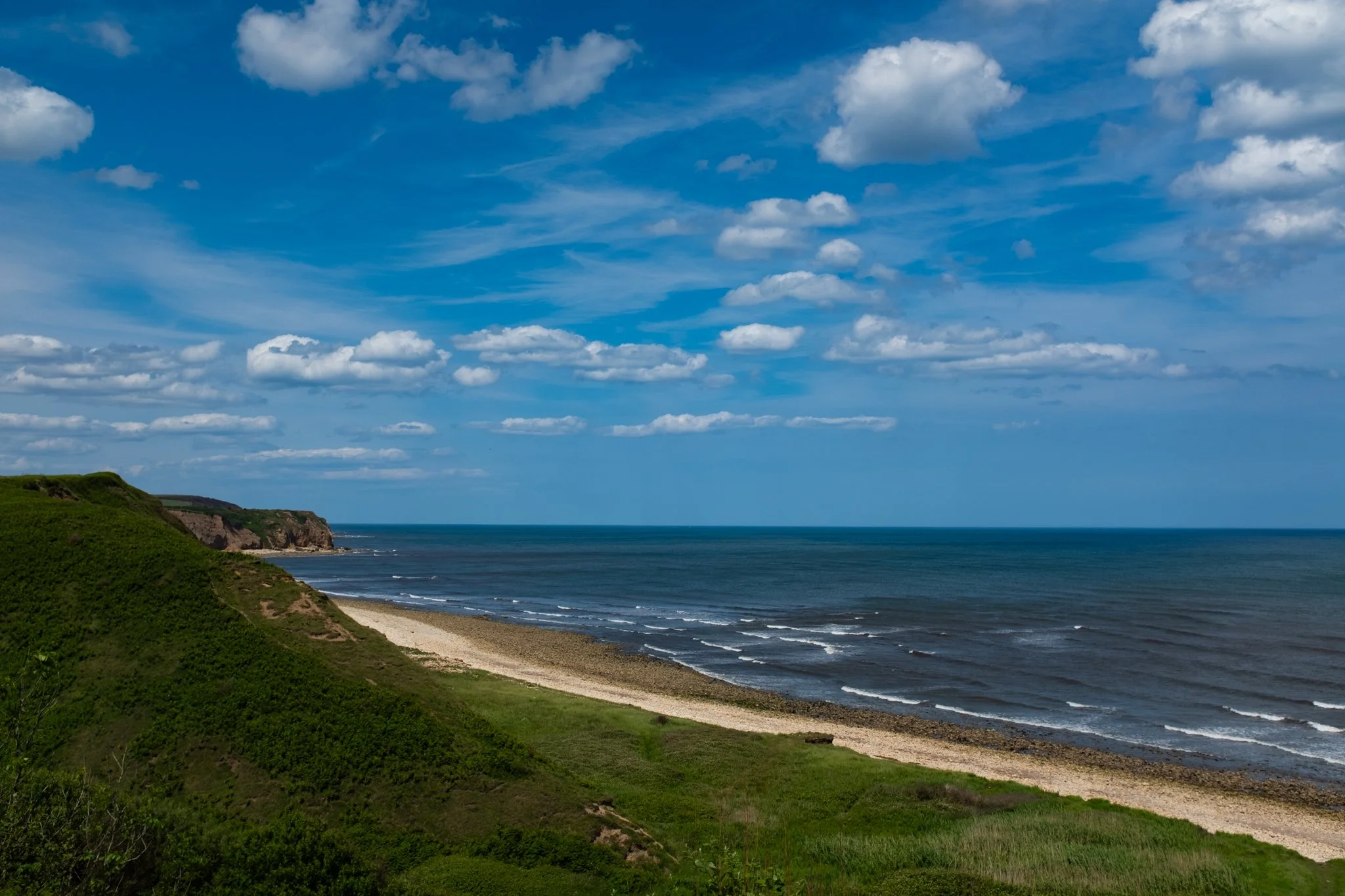
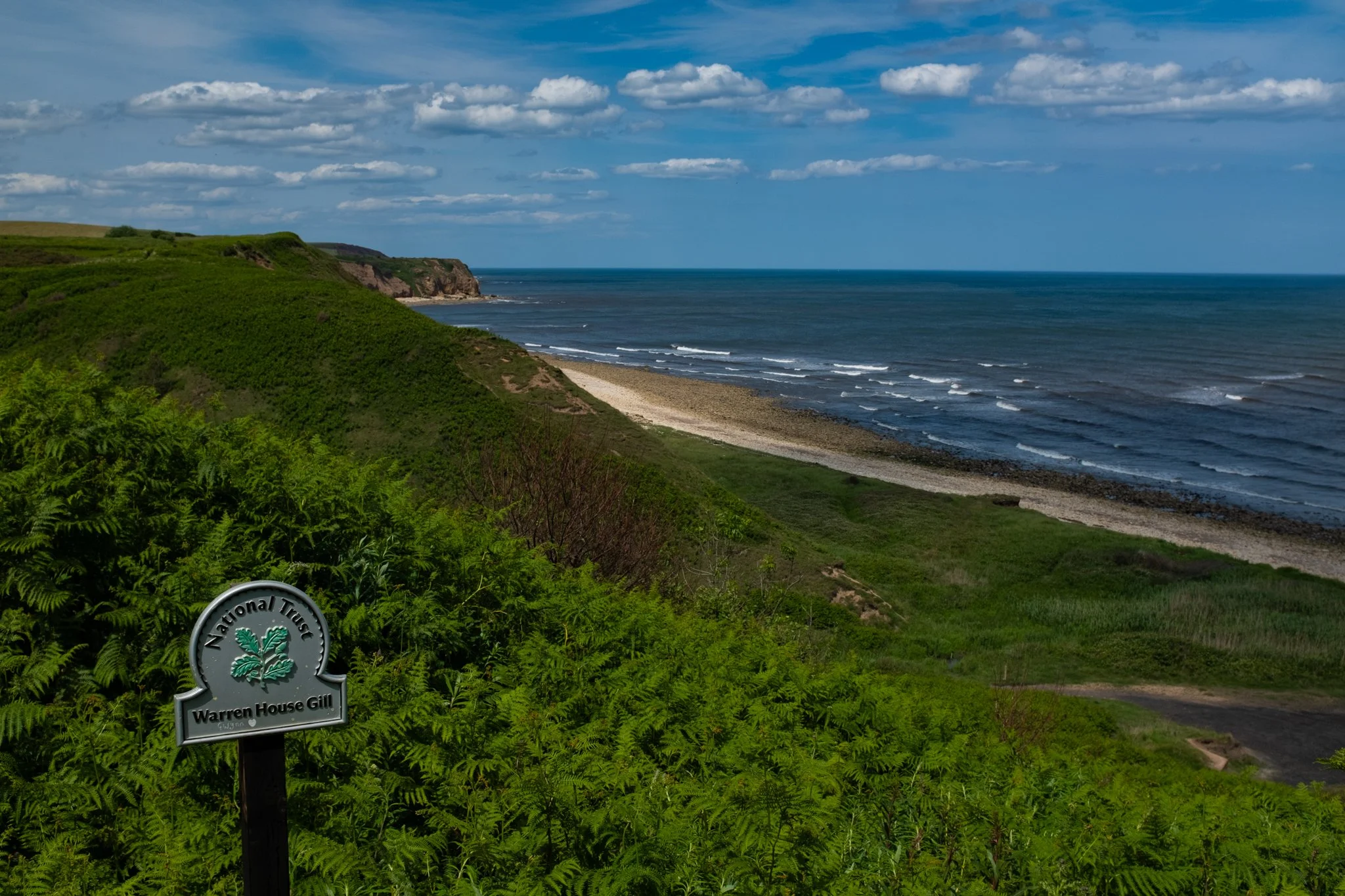
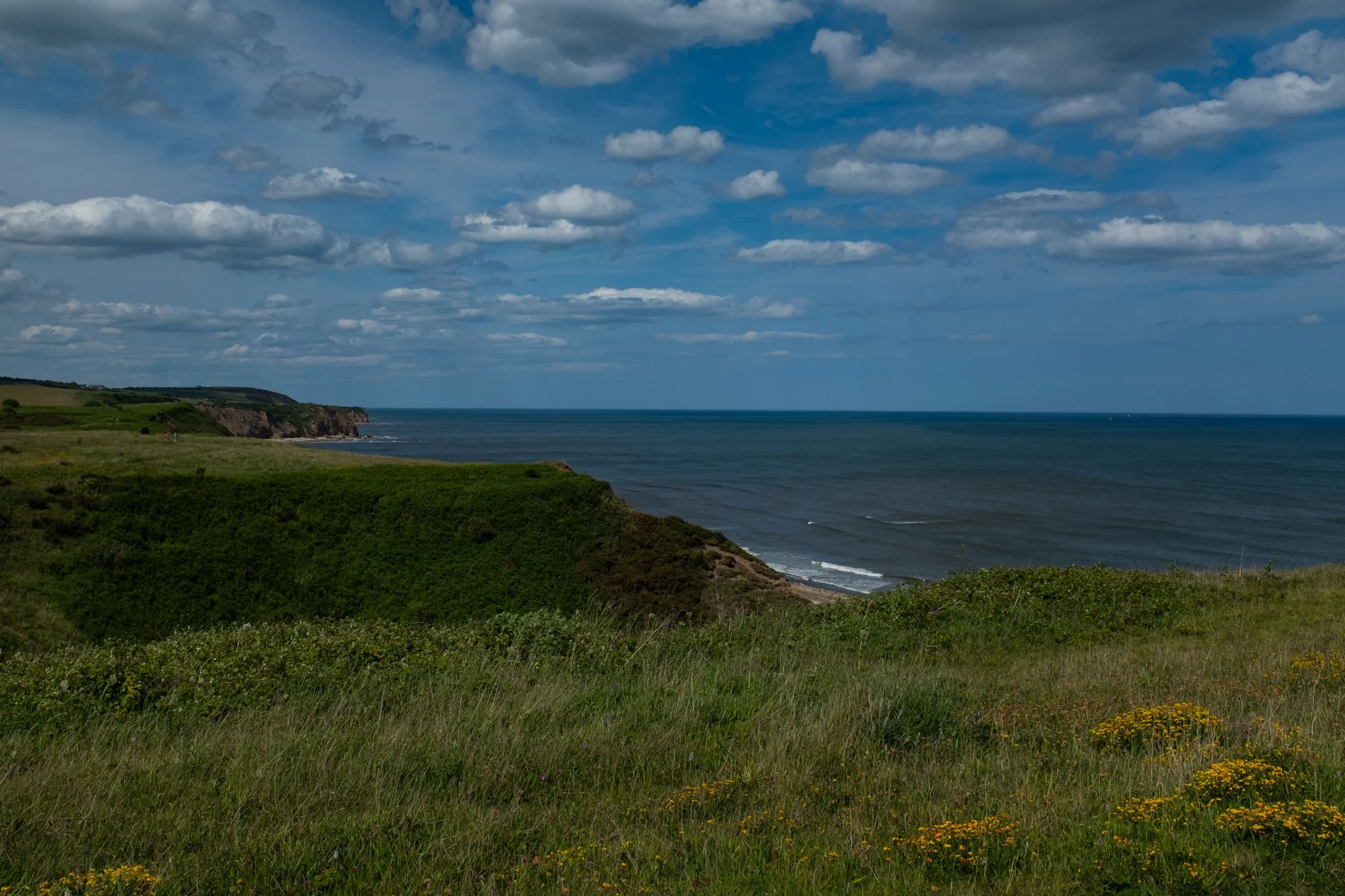
Looking back across Shippersea Bay towards Hawthorn Hive
Good to know
Best time to walk: Beautiful all year round but particularly lovely in spring and summer when the cliff top wild flowers are in bloom.
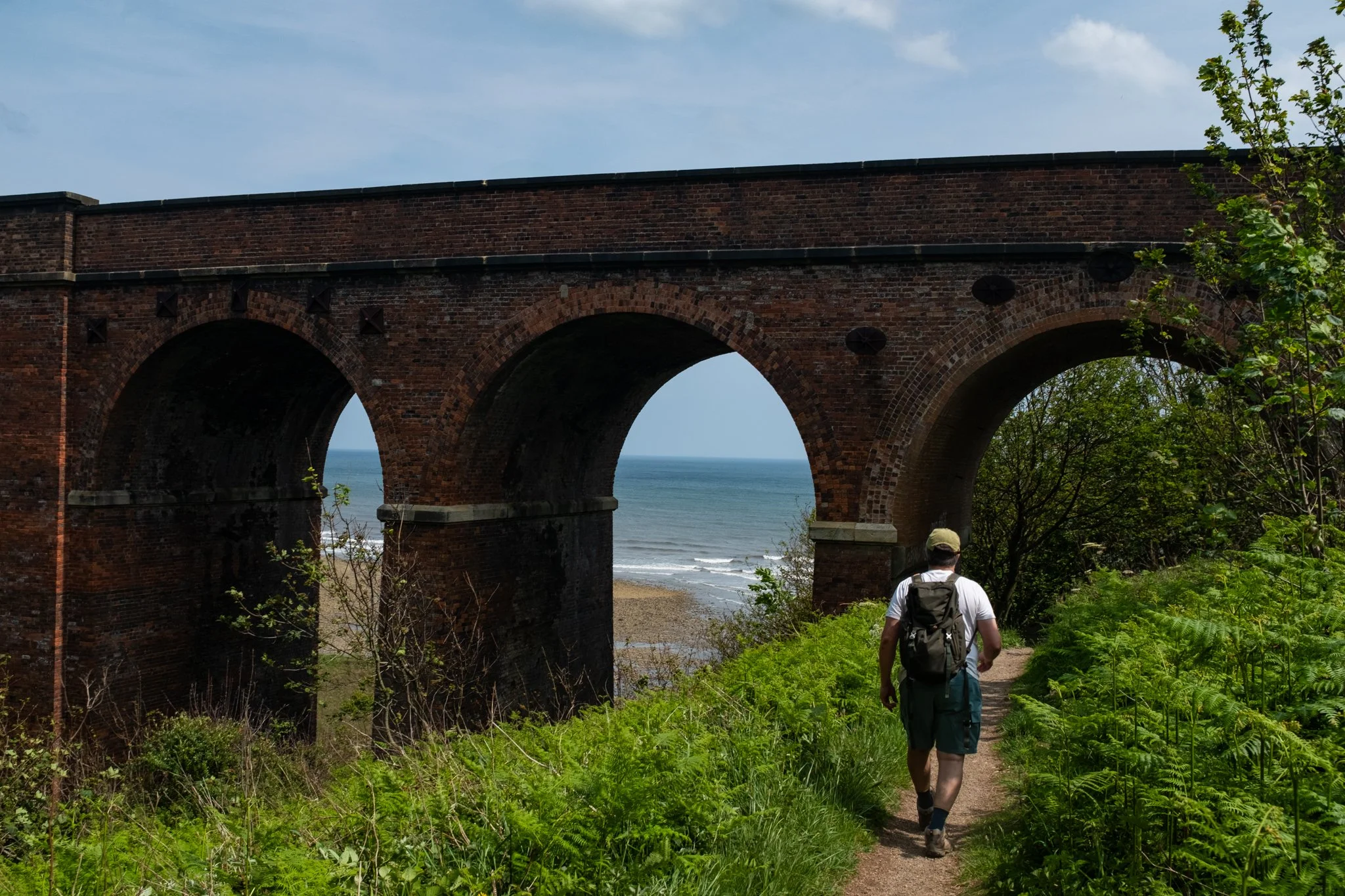
Terrain: Well-signed with good paths and tracks. There are several steep slopes and steps into and out of the denes and paths may be slippery in wet weather.
Distance / Time: 12 miles, 5.5 hours
Start: Seaham Hall car park (grid ref: NZ 4226 5086)
Finish: Crimdon Dene car park (grid ref: NZ 4820 3728)
Map: OS Explorer, OL 308
Transport / Parking: Seaham Hall car park (pay & display)
Refreshments: North Beach Coffee Bar, Seaham Hall car park and Dunes Café at Crimdon Dene beach.
The Route
View route map (you will need an OS Maps online account to access the route.)
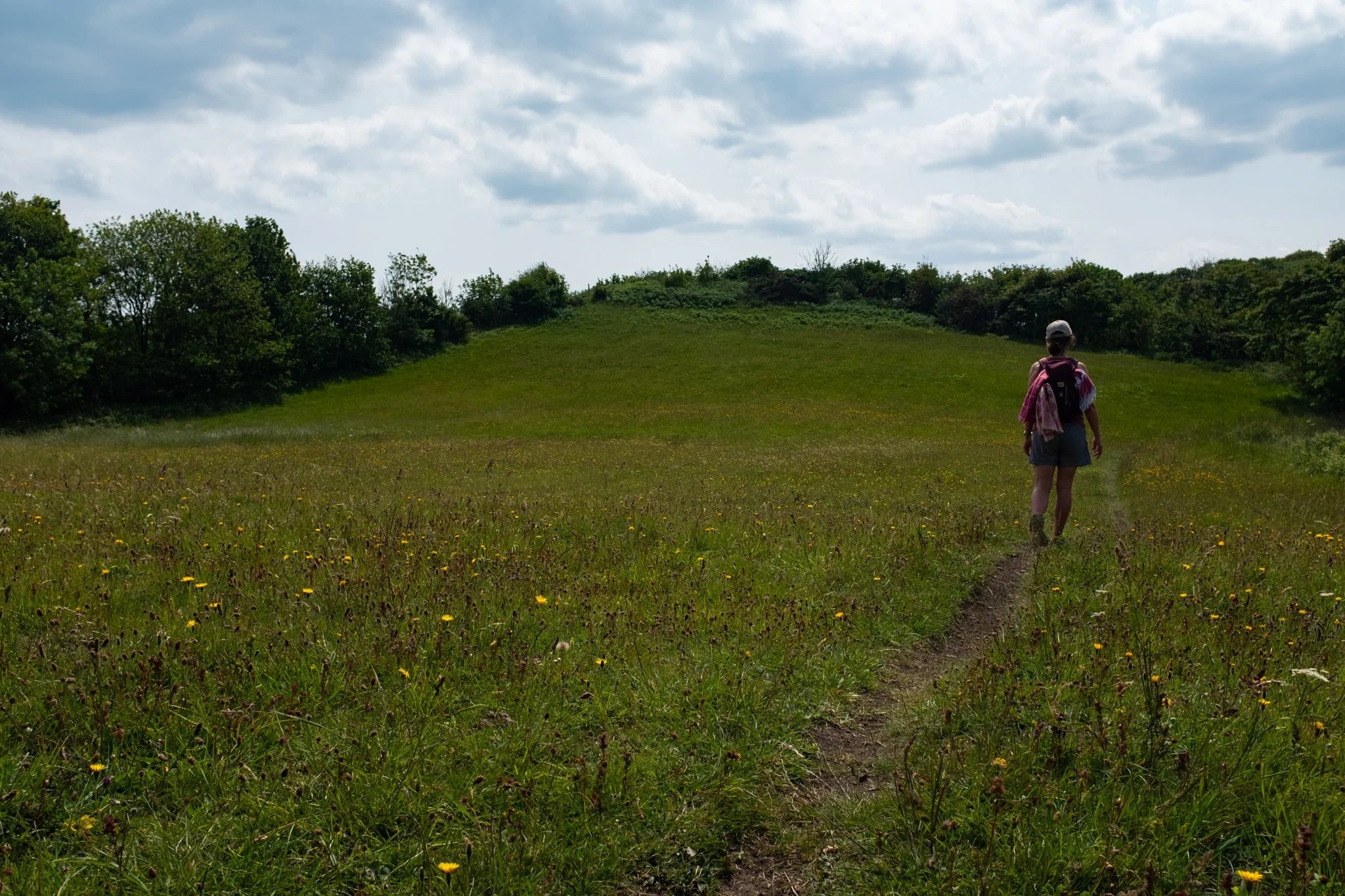
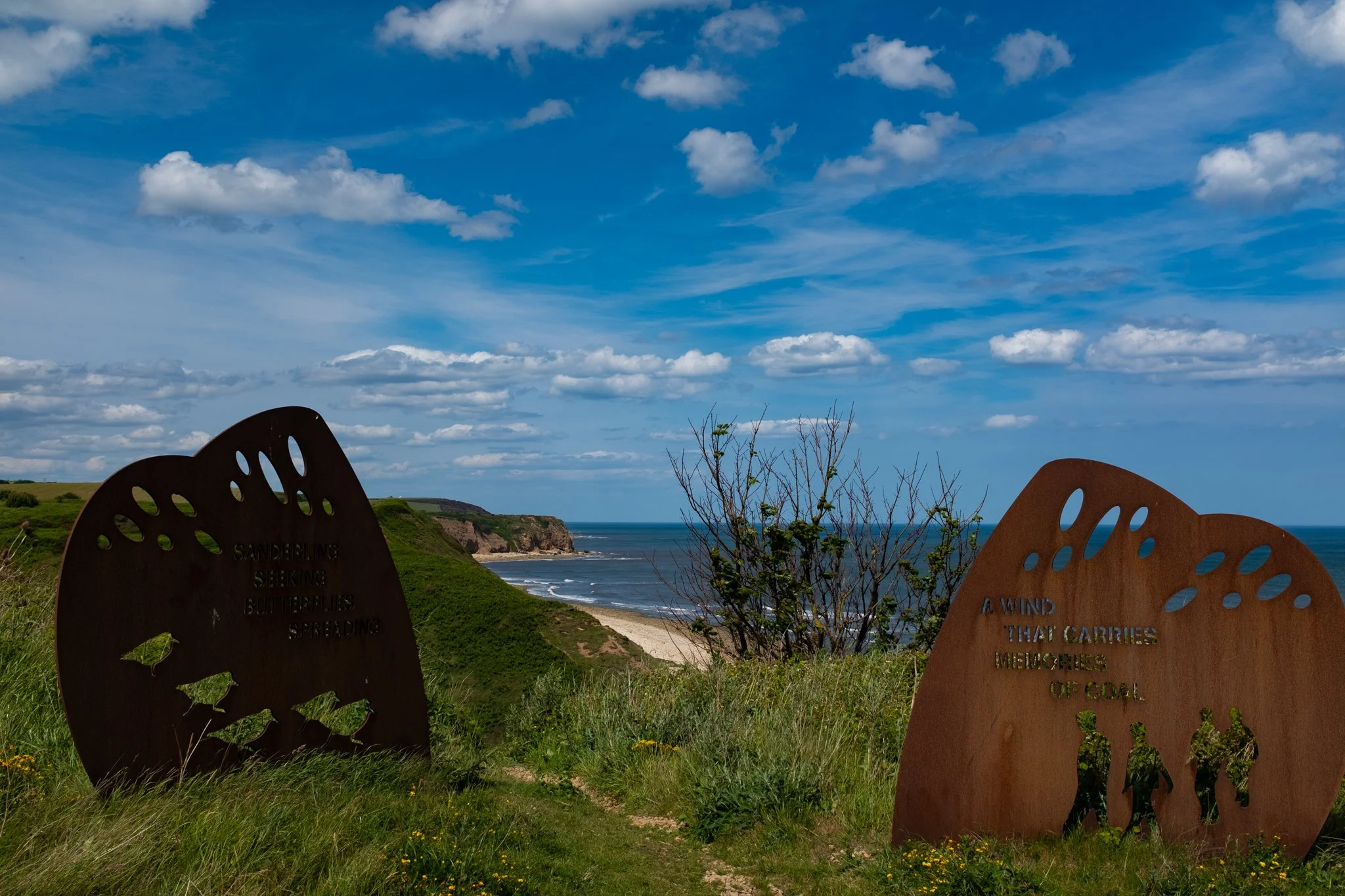
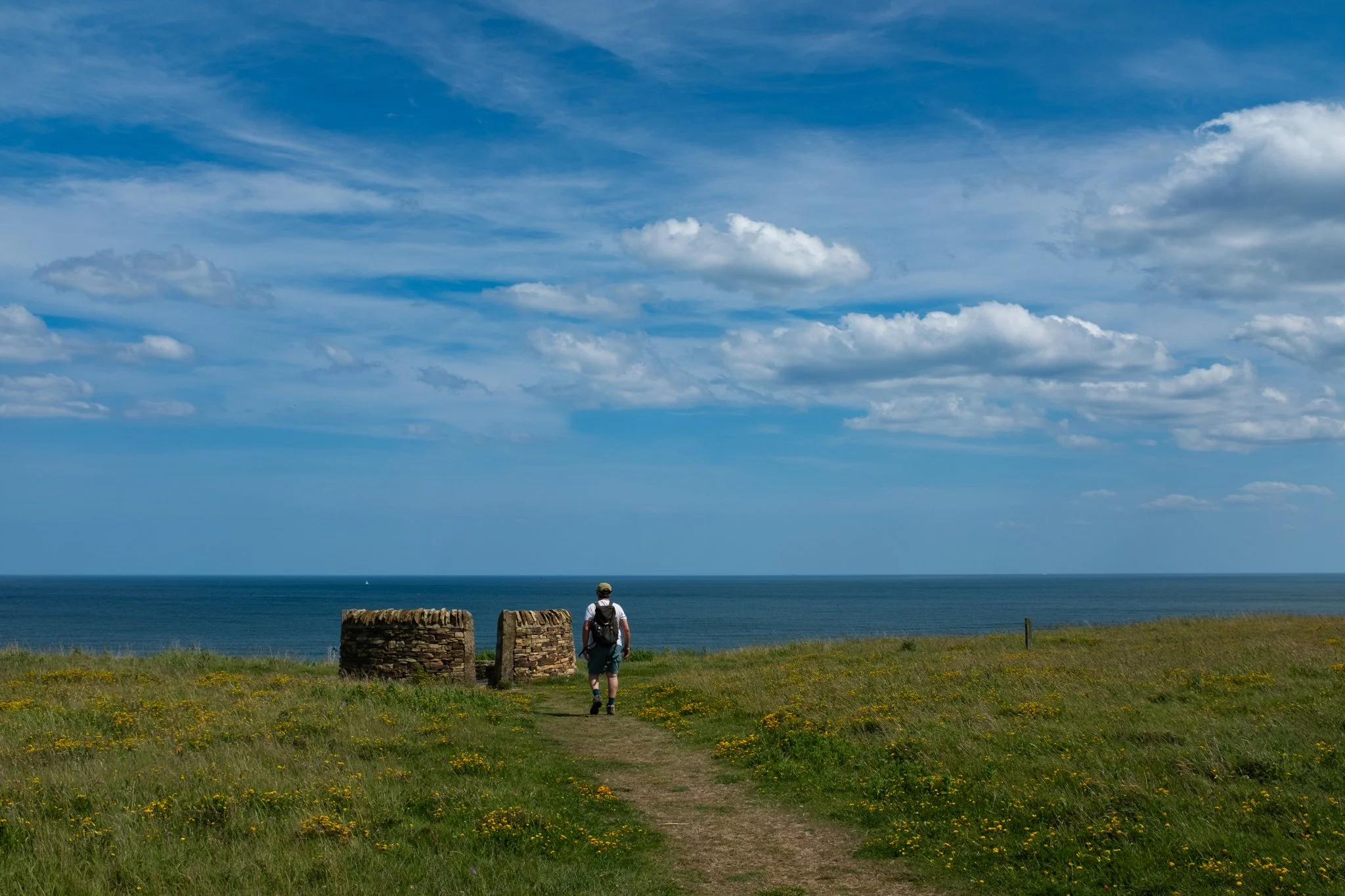
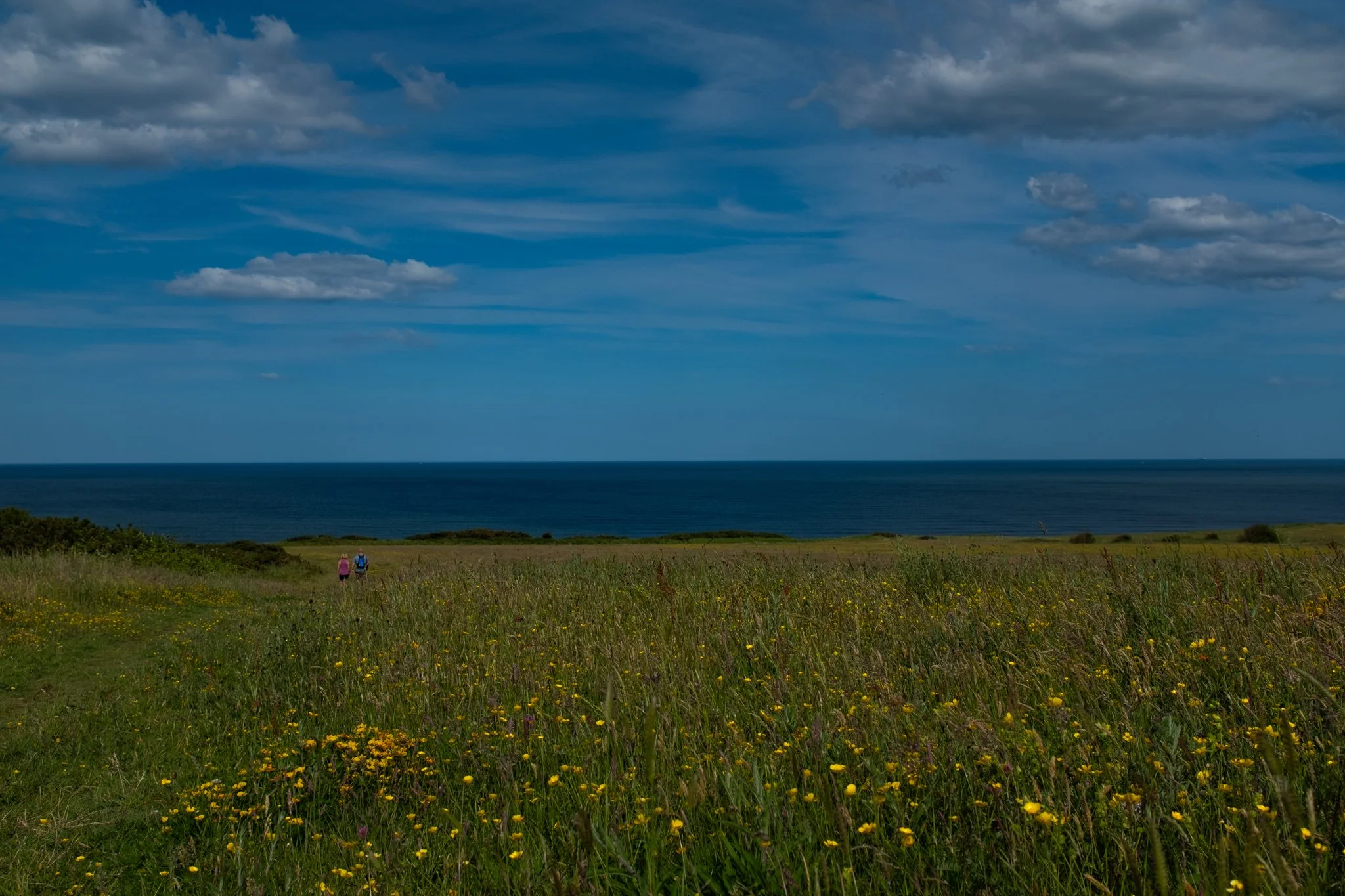
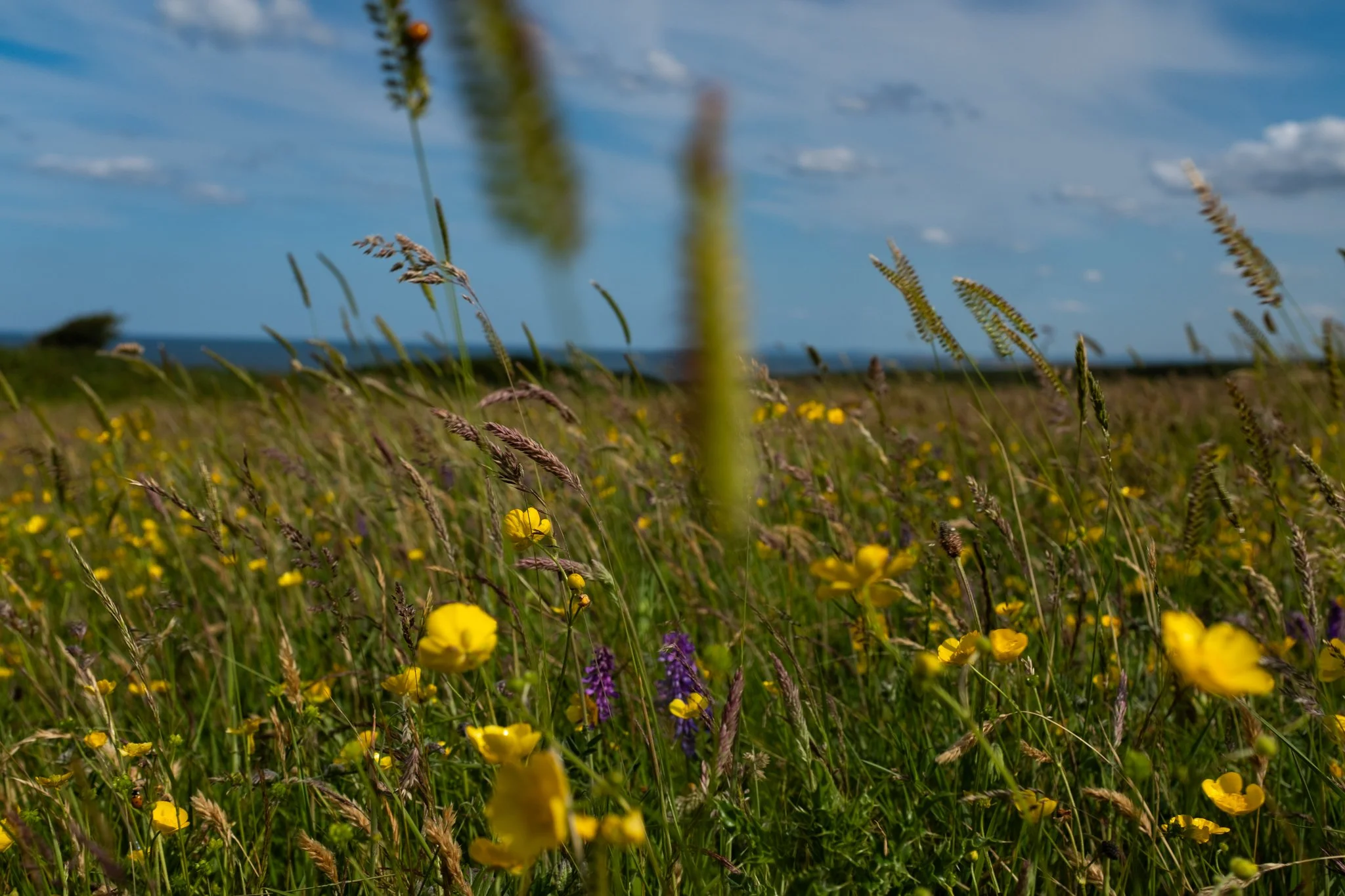
As re-wilding goes, the Durham coastline must be one of the most remarkable environmental success stories of the past 50 years. From polluted, blackened beaches, where the waves could barely roll because of the amount of dense colliery spoil tipped into the water, the coastline today is a haven for wildlife, unusual wild flowers and rare insects. So extraordinary is this community regeneration project that it has earned a number of environmental awards and the area was given ‘heritage coast’ status in 2001. Its creamy-coloured magnesium limestone cliffs are carpeted in a dazzling array of wildflowers and rare grasslands during summer.
For all its unspoilt beauty, this area is far less visited than it deserves to be. In part, industrialisation and the legacy of coal mining is to blame. Colliery waste was routinely dumped into the sea, turning the sand and water black, dubbing these shores, the ‘black beaches’. It wasn’t a place you wanted to visit. Thanks to the Turning the Tide Partnership, this magnificent stretch of coastline has been cleaned up, access improved and a concerted effort has been made to improve existing habitats. And although there is still evidence of its industrial heritage, the sea is blue again with a caramel-hued shoreline, and wildflowers and wildlife thrive on the cliff tops.
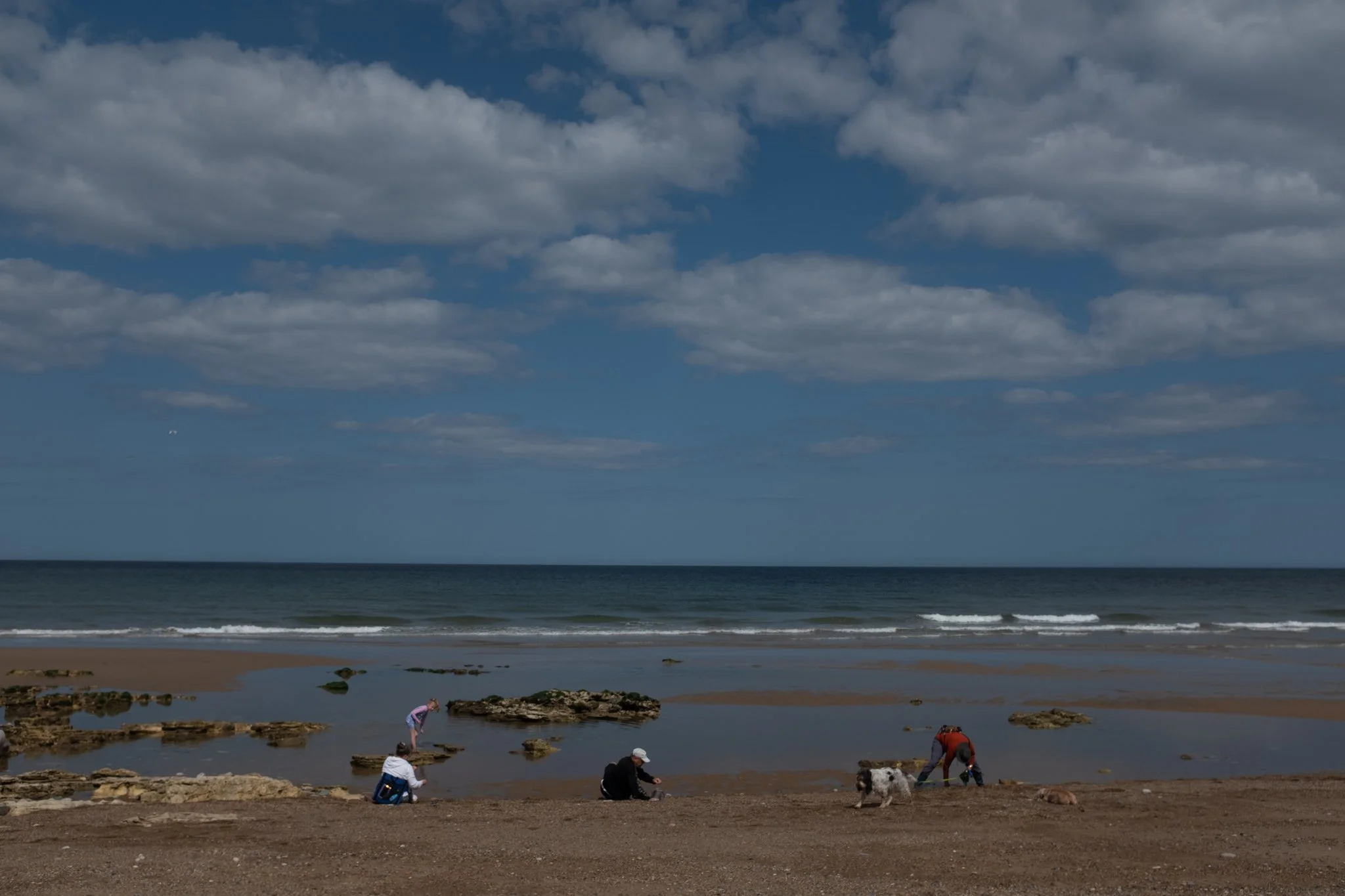
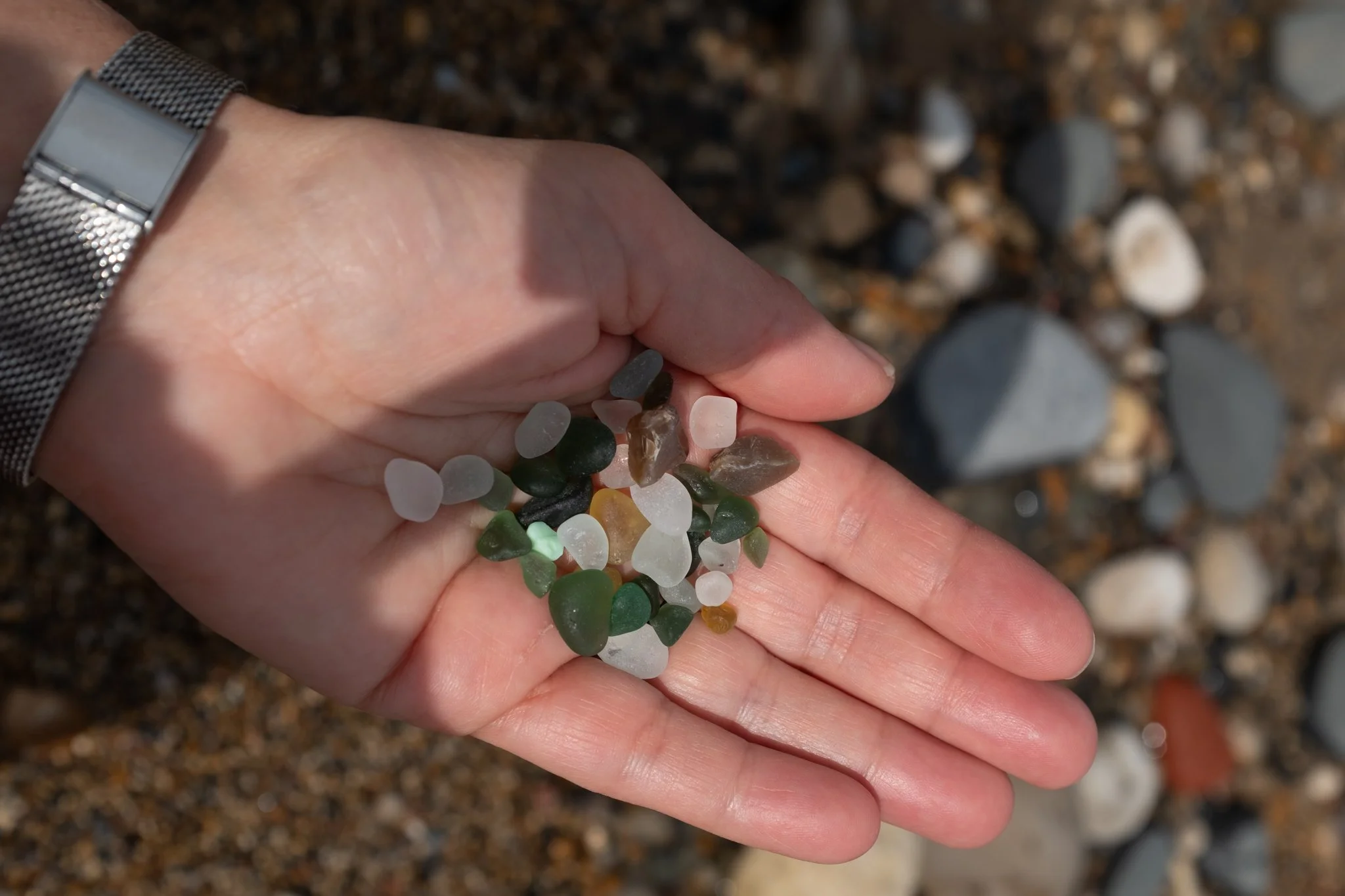
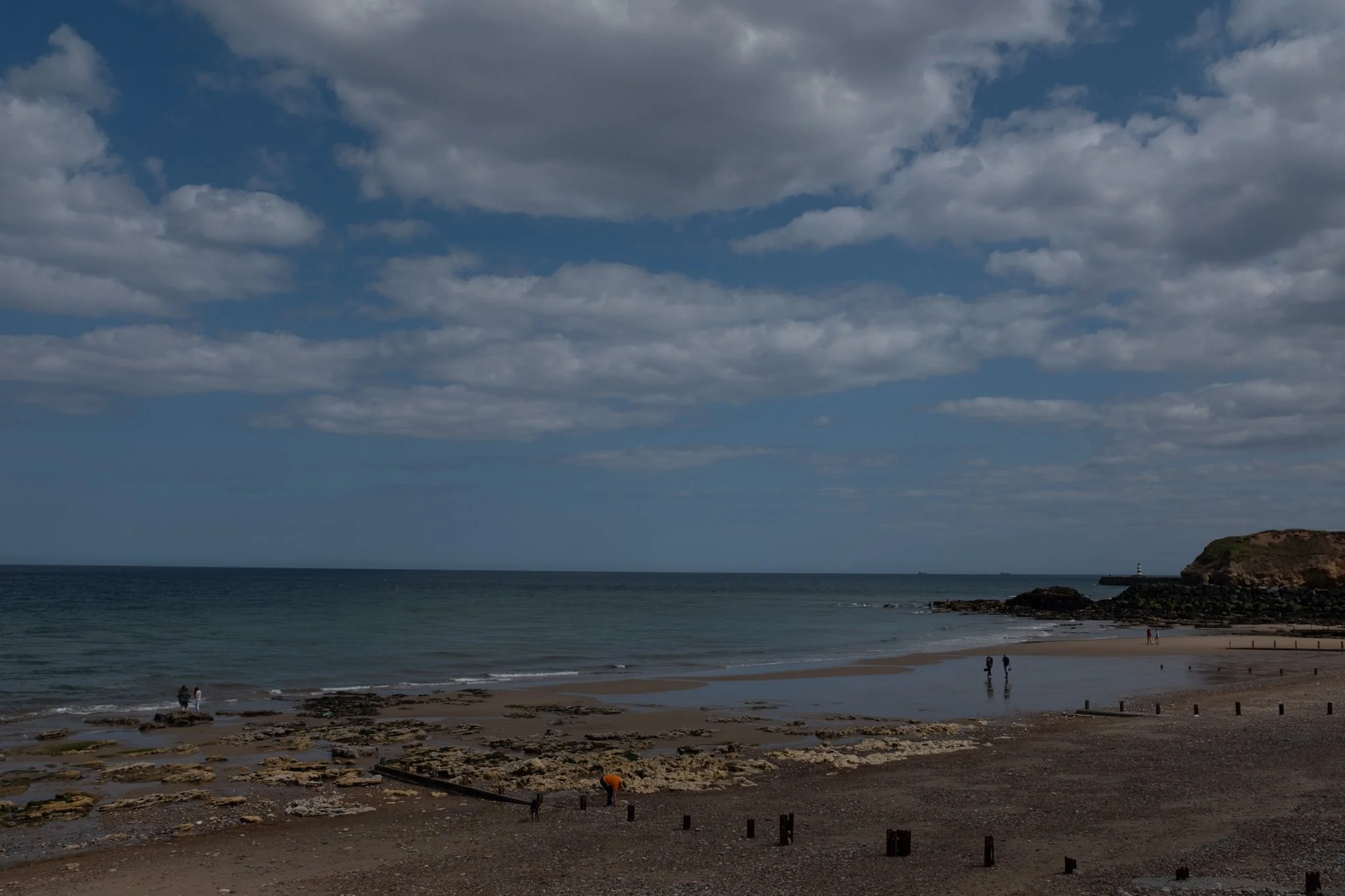
The coastal walk begins in Seaham, where you will spot the familiar sight of people doing the ‘Seaham Stoop’. These treasure hunters are seeking out sparkling sea glass, tiny jewels scattered across the beach, a legacy of the plethora of glass-making industries here during Victorian times. The glass was discarded into the sea and has been tumbled and shaped by the waves over time.
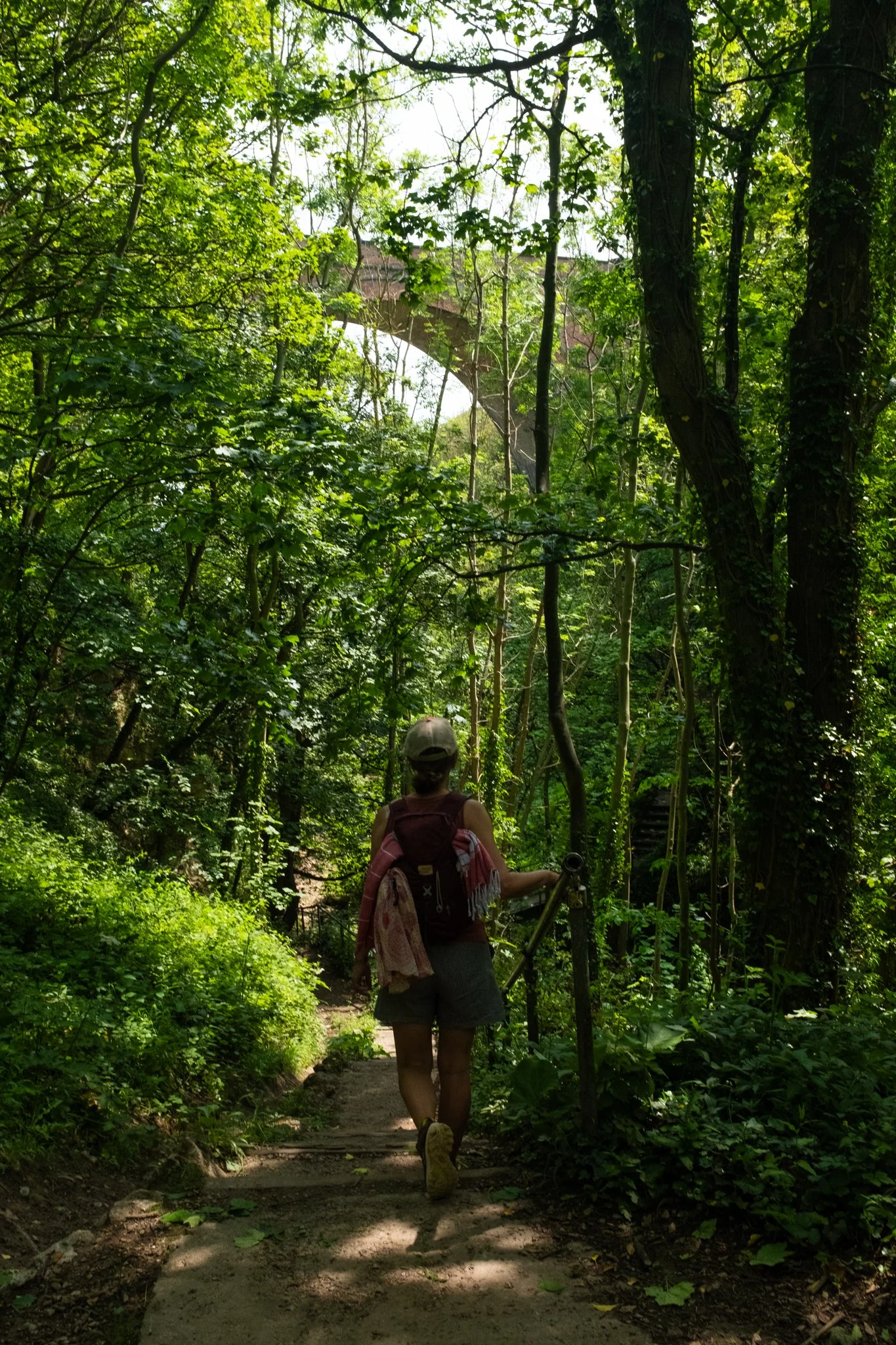
From Seaham the route picks up the coastal path at Nose’s Point, overlooking Blast Beach, with its sea stacks, fossils and occasional deep pools of iron-rich water. Cutting into the cliffs beyond here are Durham’s unique denes - Hawthorn Dene, Fox Holes Dene, Castle Eden Dene and Crimdon Dene. These deep, gorge woodlands were created by glacial meltwater eroding channels in the limestone escarpment.
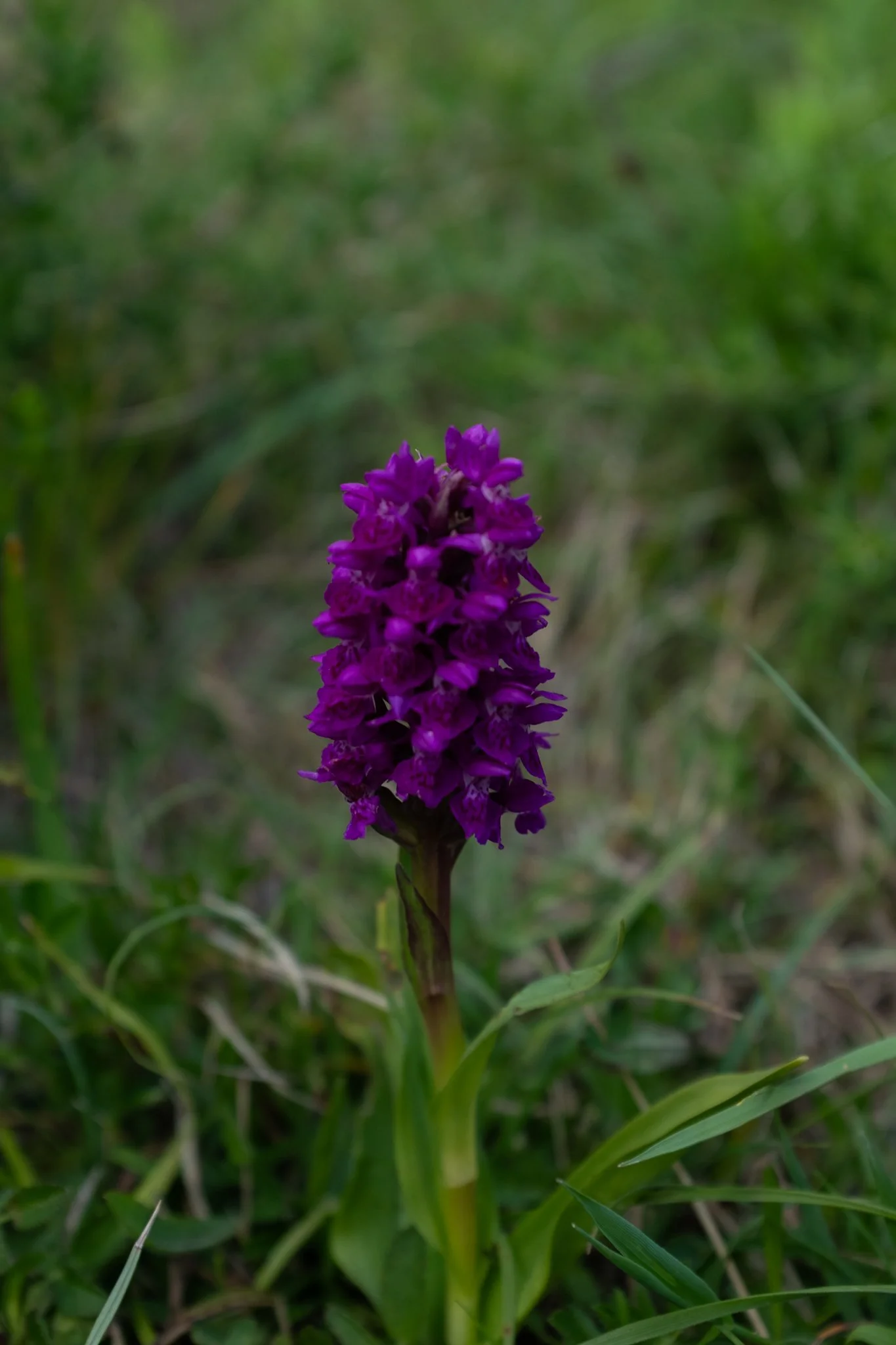
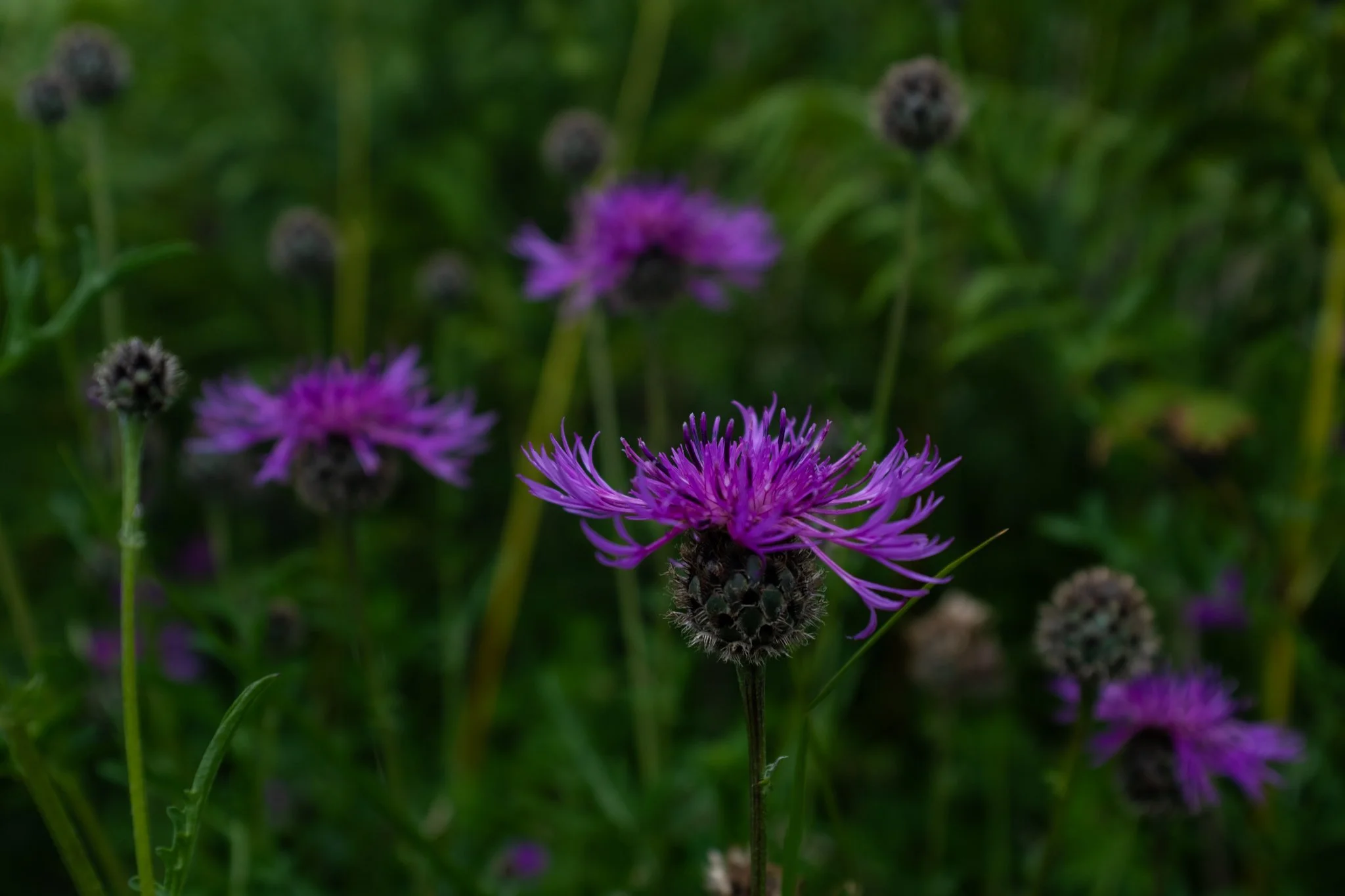
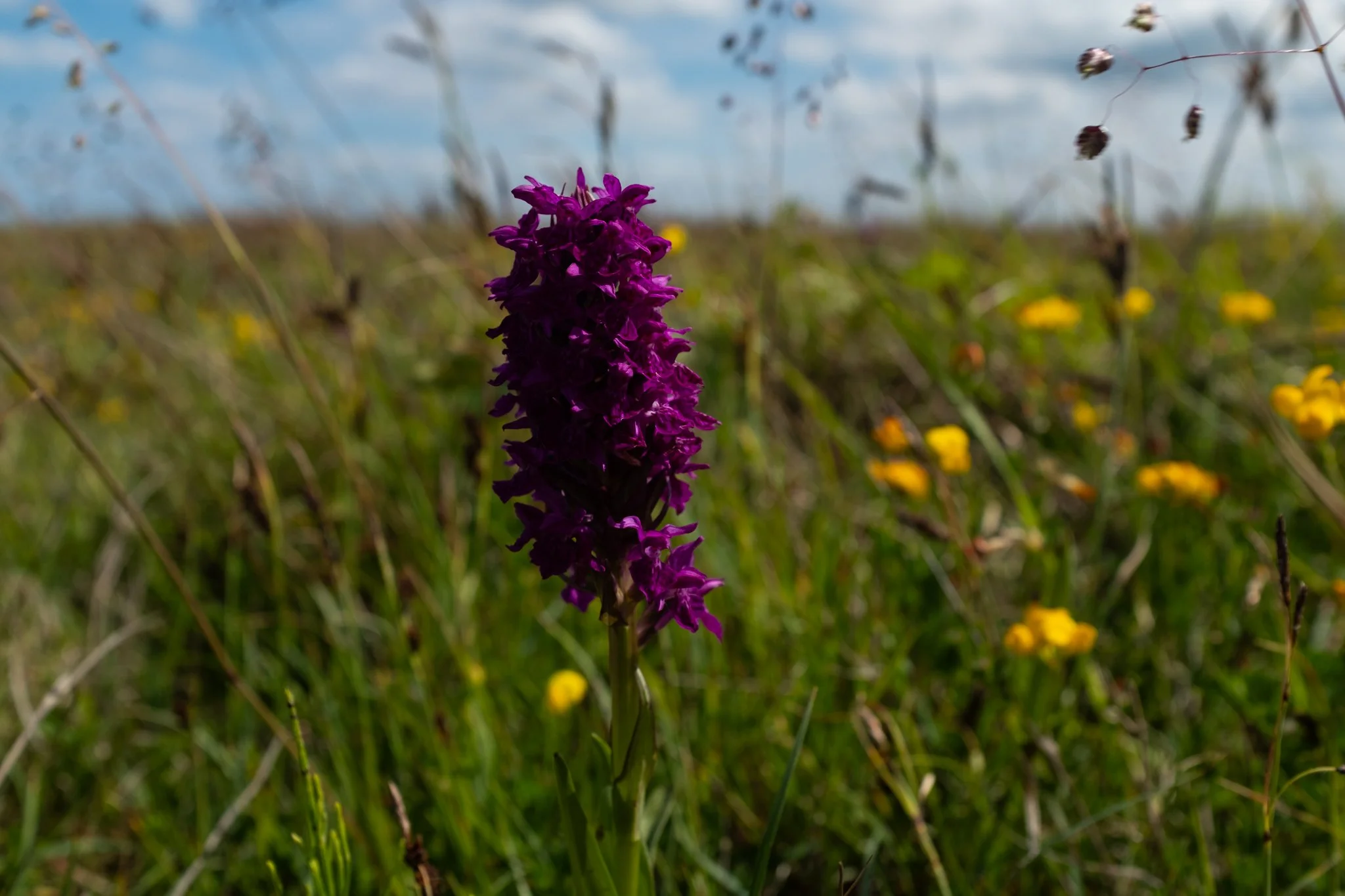
Evidence of the past remains at Blackhall Rocks Beach where burnt-orange boulders strewn across the cinder-hued sand, resemble a martian landscape. So eye-catching is this landscape that the beach featured in the 1971 cult movie, Get Carter. You can descend to the beach to get a closer look and also explore smuggler caves. Above the beaches, remarkable coastal meadows are strewn with Rock rose, bee orchids, bloody cranesbill and Grass of Parnassus. This habitat supports a wild range of insects including glow worms, the Durham argus butterfly and the rare Cistus Forester moth.
After passing a series of smaller gills (small, narrow valleys, intersected by a stream) the coastal path soon arrives at the sandy, dune-fringed beach of Crimdon Dene. The beach has been a popular place for holiday makers ever since miners and their families flocked here for their annual holidays back in the 1920s. The beach is also an important breeding ground for Little Terns, who return here from West Africa in May each year. It is, in fact, one of the most successful breeding colonies of Little Tern in the UK. To end the walk you can catch a bus back to Seaham (change at Peterlee), take a taxi or walk into Hartlepool to get the train back.