Winter Wild Swimming
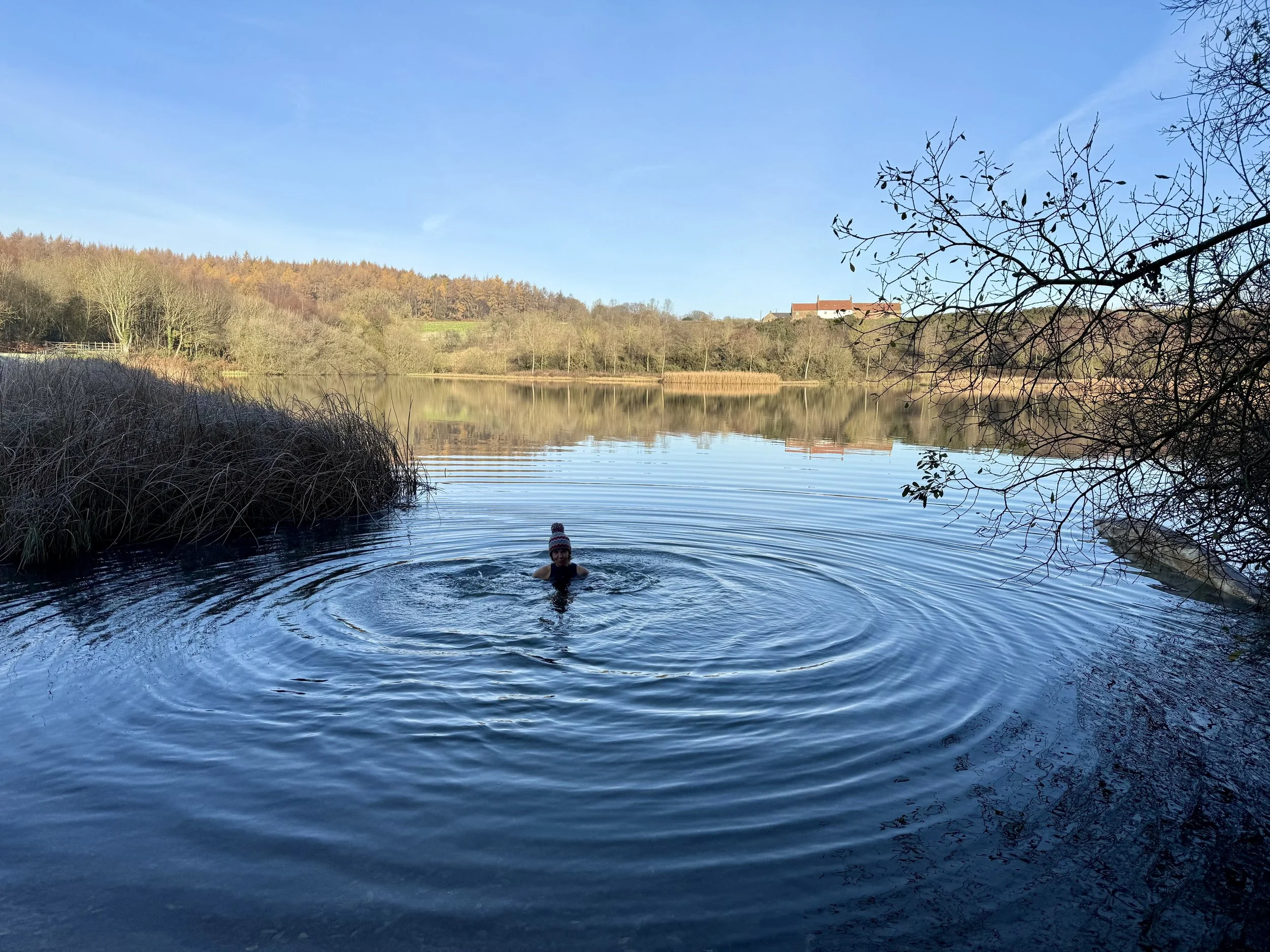
Winter lake swimming
Bikinis and bobble hats; icy plunges in frozen lakes and dipping in glacial pools beneath icicle-fringed waterfalls followed by sips from steaming mugs of tea and slices of scrumptious cake. Captivating images of wild swimmers like these are popping up all over social media as we edge into the chillier months. There is no doubt about it, winter dipping is elemental, offering some beautiful swimming experiences; the morning mist rising from the river, low sunlight flickering on the water’s surface, tree silhouettes mirrored in the water, plus later sunrises and earlier sunsets for those golden hour swims.
As many swimmers will tell you, winter swimming can be magical. It can also feel like an assault on both body and senses, particularly on days when the sun stays hidden in a sultry sky. Icy cold water stings, smarts and bites, although this skin-tingling sensation is why many swimmers love a cold plunge. It’s the intensity of feeling this frosty immersion brings that anchors us in the moment, enabling us to shrug off everyday cares and worries.
Whether you are a seasoned year-round swimmer or someone dipping your toe into winter swimming for the first time, swimming during the coldest months of the year requires some careful preparation. So if you have decided to take the plunge this winter, read on for some tips to help you wild swim safely through the colder months. You never know, it might just become your favourite time of year to wild swim.
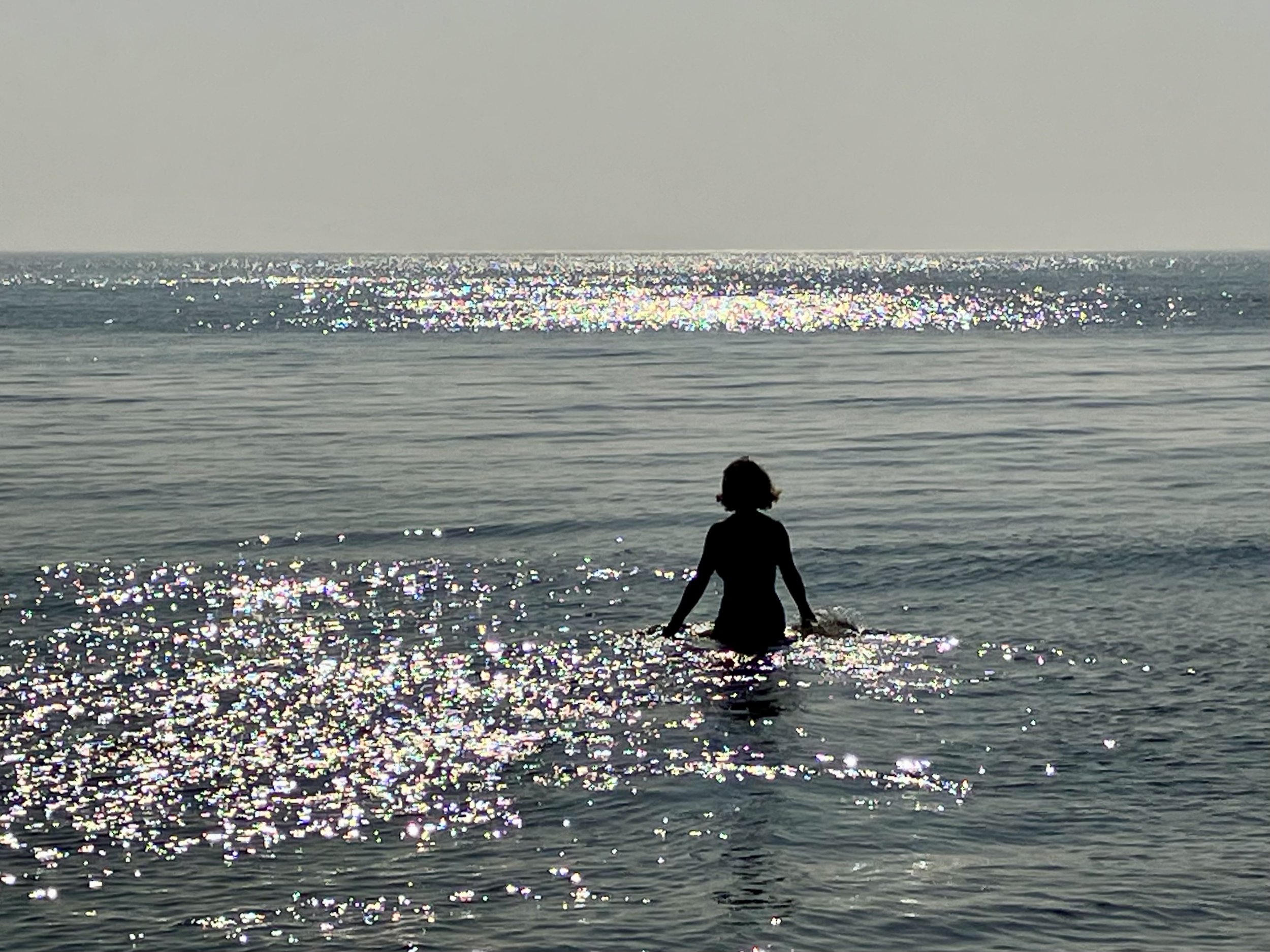
Winter sea swimming at Flamborough
Why winter swim? The benefits of swimming in cold water
Being near water is good for us. Negative ions - electrically charged particles created around moving water such as waves or the rush of a waterfall - leave us feeling refreshed and rejuvenated. Taking this one step further by entering the water and wild swimming offers us the chance to form an intimate connection with nature. Research has also shown the fantastic health benefits of cold-water swimming:
It is good for our immune systems, blood pressure and circulation
It boosts our mental health, helping reduce anxiety and stress
It makes us feel good as wild swimming, like all exercise, releases mood-enhancing endorphins in our brains
Some research suggests that wild swimming activates our brown fat, which uses energy in the body as opposed to white fat which stores energy
We spend so much time tethered to our mobile phones so it is the perfect digital detox.
There is a great sense of community amongst wild swimmers making it a great way to socialise over winter
Where some swim locations can be crowded over summer, in winter you have a better chance to get a sublime swim spot to yourself
It is jolly good fun - just observe a group of wild swimmers as they edge into the water. Their shrieks of laughter are contagious
Stay Safe: Tips for winter wild swimming
Keep company. You might be happy swimming alone the rest of the year but when the water temperature drops to single digits, it is a good idea to team up with a swim buddy, or someone who is happy to accompany you, even if they are not getting in the water.
Warm up. As with any exercise, it pays to warm up beforehand. A few star jumps gets the blood pumping so you don’t feel chilled before you get in the water. A short walk also gives you the chance to assess the air temperature, wind direction and wind chill, which all contribute to how cold the water feels.
Getting in the water. Always check your entry and exit points into the water beforehand, especially if you plan to get out at a different spot. Enter the water gradually but try not to dither as you will get cold standing around. Once you are immersed to around chest height, take some deep breaths to regulate your breathing and only start swimming when you feel comfortable that you are through the initial cold water shock reflex, which lasts seconds.
How long to stay in the water? Winter swimming brings with it the very real danger of hypothermia. What experts seem to agree on is that the benefits of winter swimming are gained by just a short immersion and not the length of time you are in the water. Cold water tolerance varies between individuals and even different swims. Our body shape and size makes a difference. Tiredness, stress, hangovers, hunger, thirst and illness can impact our cold water swims. Always ‘swim your own swim’, and don’t feel under pressure to stay in the water - or even get in the water - if it doesn’t feel right. Get out of the water before you start feeling settled and ‘warm’ as this can be one of the first signs of hypothermia.
Getting dressed and dry. Be organised. Lay your clothes out in the order you will be putting them back on which saves rummaging around to find your underwear when your hands are less dextrous post swim. Once out of the water, take off your wet clothes and pat yourself dry with a towel. It helps to stand on a mat to avoid losing heat through your feet. A hot water bottle placed amongst your clothes means they will be toasty warm to put on. Try to be dressed within about 10 minutes and save the chatter for when you are fully clothed.
Layer up. Go for one more layer than you usually would and wear clothes that are easy to get on. So, pants and bra or bra top, vest, long-sleeved thermal top, wool jumper, thermal leggings, tracksuit bottom or warm trousers, wool socks, neck buff, woolly hat (a spare, dry one if the one you swam in is damp), coat or dry robe, slip on boots or shoes. You are channelling Michelin Man!
Post swim snacks. Bring a flask of something hot and pour yourself a drink, preferably with a piece of yummy cake. Make sure you keep hydrated so bring a bottle of water too.
After-drop. When you get out of the water your body temperature continues to cool even though you are in a warmer environment. You can feel colder up to 40 minutes after getting out of the water than you did in the water. This is because when you swim, your body shuts down circulation to your skin, pooling warm blood to your core. When you exit the water, the cooling process does not stop immediately. This is why it is important to get dry, dressed and warm up gradually. Some people like to sit and warm up, others prefer to move around to warm up cold feet and hands. Don’t leap into a hot shower immediately after a cold swim and don’t drive until you are properly warmed up.
Log book. You could keep a basic log of your winter swims including swim spot, air temperature, water temperature (if known), how long you were in the water, how you felt in the water and afterwards. It just helps to build up a picture of your swims.
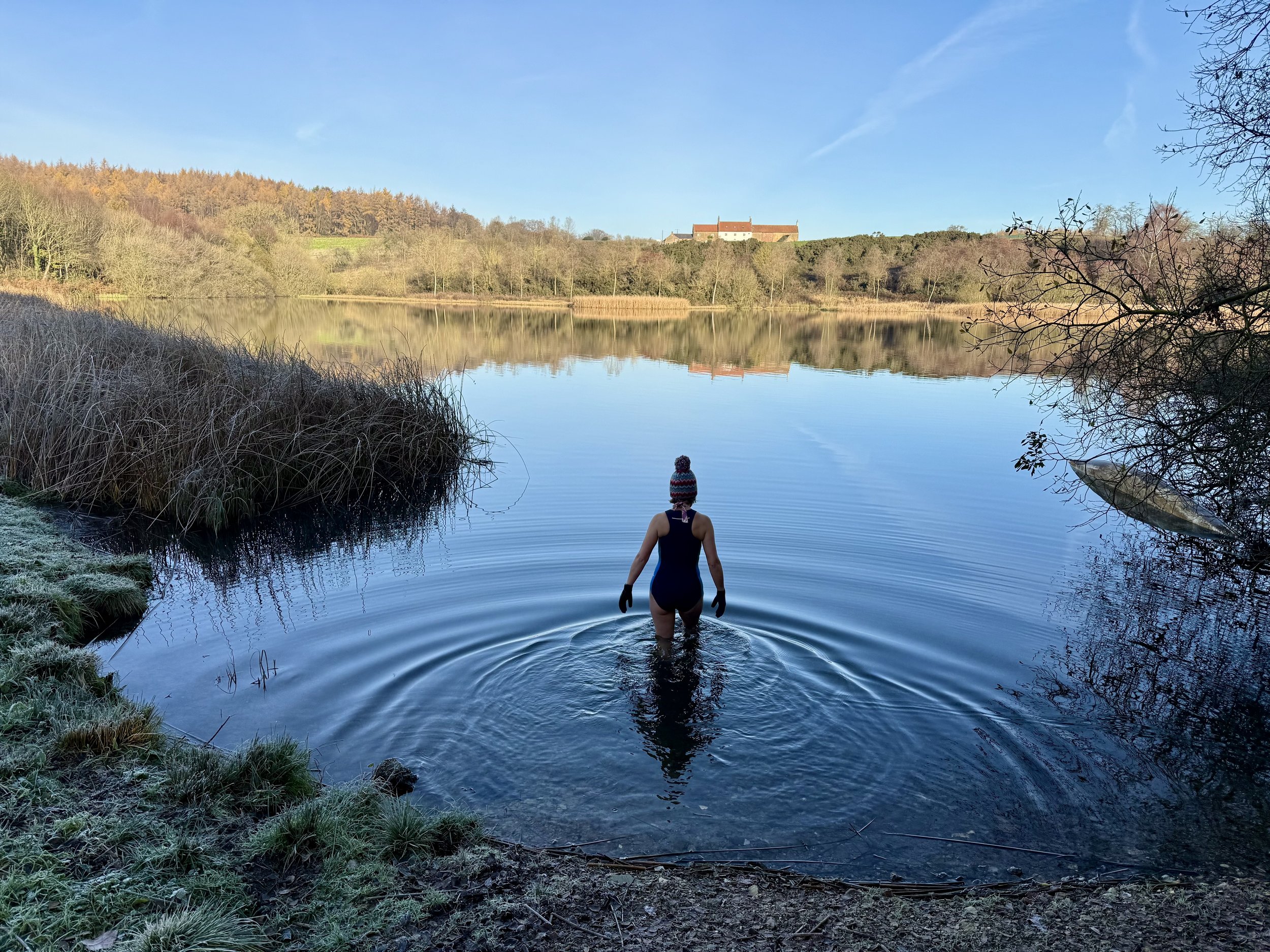
Go for it!
Winter swim gear: What to wear
Just as we all dress differently in everyday life, it is the same with wild swimming gear. Some swimmers dip in skins (just a swimming costume), adding neoprene boots, gloves and a woolly hat; others are kitted out head to toe in neoprene. For some a wetsuit feels like too much faff for a short cold water immersion whilst for others it’s the only way to winter swim. There are plenty of in-between options, such as long-sleeved neoprene or Yulex costumes for a bit more insulation. It is all a matter of preference.
Essential winter kit
Swimming costume
Neoprene or Yulex socks and gloves
Towelling robe/towel
Flask of something hot (and a snack)
Safety accessories (for sea swims or where there are other water users) include a brightly coloured swim cap, tow float, torch to put inside the tow float for early morning or late afternoon swims
Optional extras
Wetsuit or shorty wetsuit or neoprene jacket
Warm hat or swimming cap
Mat or towel to stand on to keep feet warm and dry
Hot water bottle
Dry robe
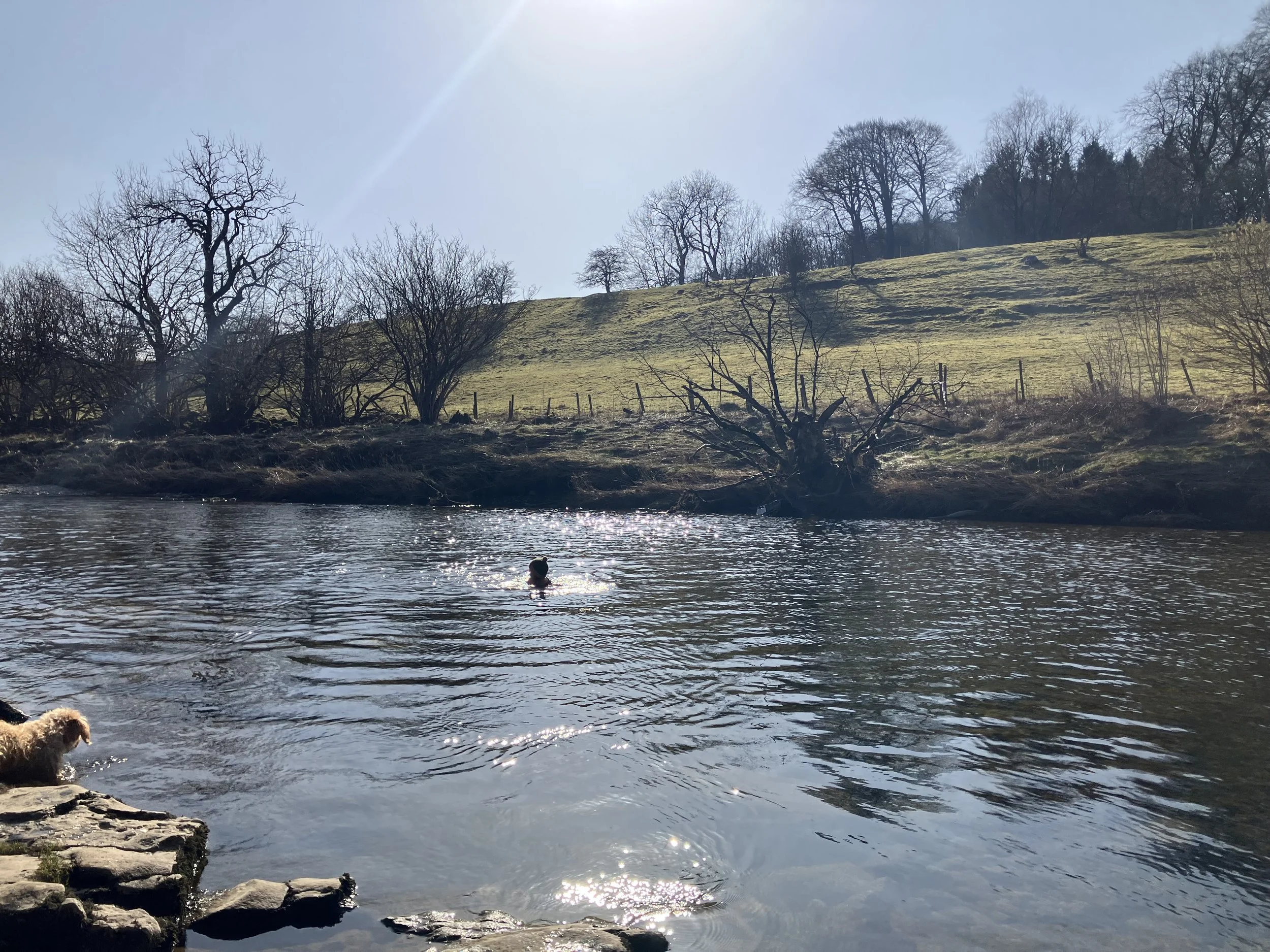
Winter river swimming
Take the Plunge!
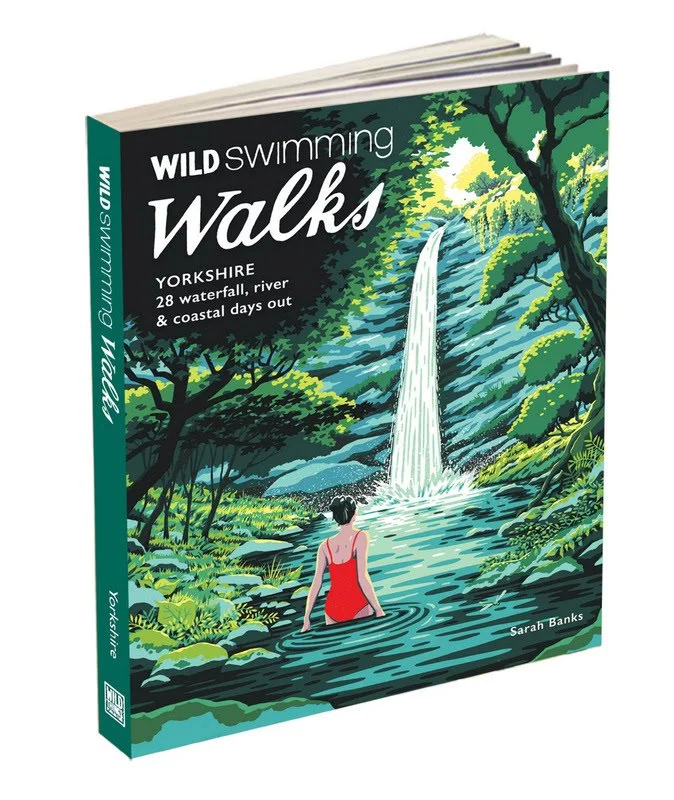
If you are looking for some wild swimming inspiration, Wild Swimming Walks Yorkshire features 28 walks to waterfalls, river pools and beaches and Wild Guide North East England contains hundreds of gorgeous swim spots across Northumberland, Durham and Yorkshire. You can get your author-signed copies here.